
Zilker Park is for the Birds!
Last night, according to Cornell Lab’s Birdcast Migration Dashboard, 2,872,700 birds quietly passed through Travis County as you slept. Most of them traveling from Central or South America to summer in the North. May is peak spring migration in Central Texas, and Zilker Park is one of the best places in the city to witness it.
Most birds migrate at night, typically beginning 30 to 45 minutes after sunset, with the greatest numbers in flight two to three hours later. What you see in the park during the day is often the overnight crowd, resting and foraging before the next leg of their journey.
Why Austin — and Why Zilker
Austin sits along the Central Flyway, one of four major migration routes crossing North America. Birds move through the area almost year-round, but spring offers the greatest variety — mid-April through May can bring as many as 20 warbler species in a single day. Zilker's mix of riparian habitat along Barton Creek, mature woodland canopy, and open lawn makes it an ideal stopover — a place for exhausted travelers to refuel before continuing north.
This is part of why Zilker 351’s woodland tree canopy work in Zilker Park matters beyond aesthetics. Every native tree added to Zilker's woodlands is food, shelter, and cover for birds passing through. A denser, healthier canopy makes Zilker a more reliable place to rest.
What to Look For
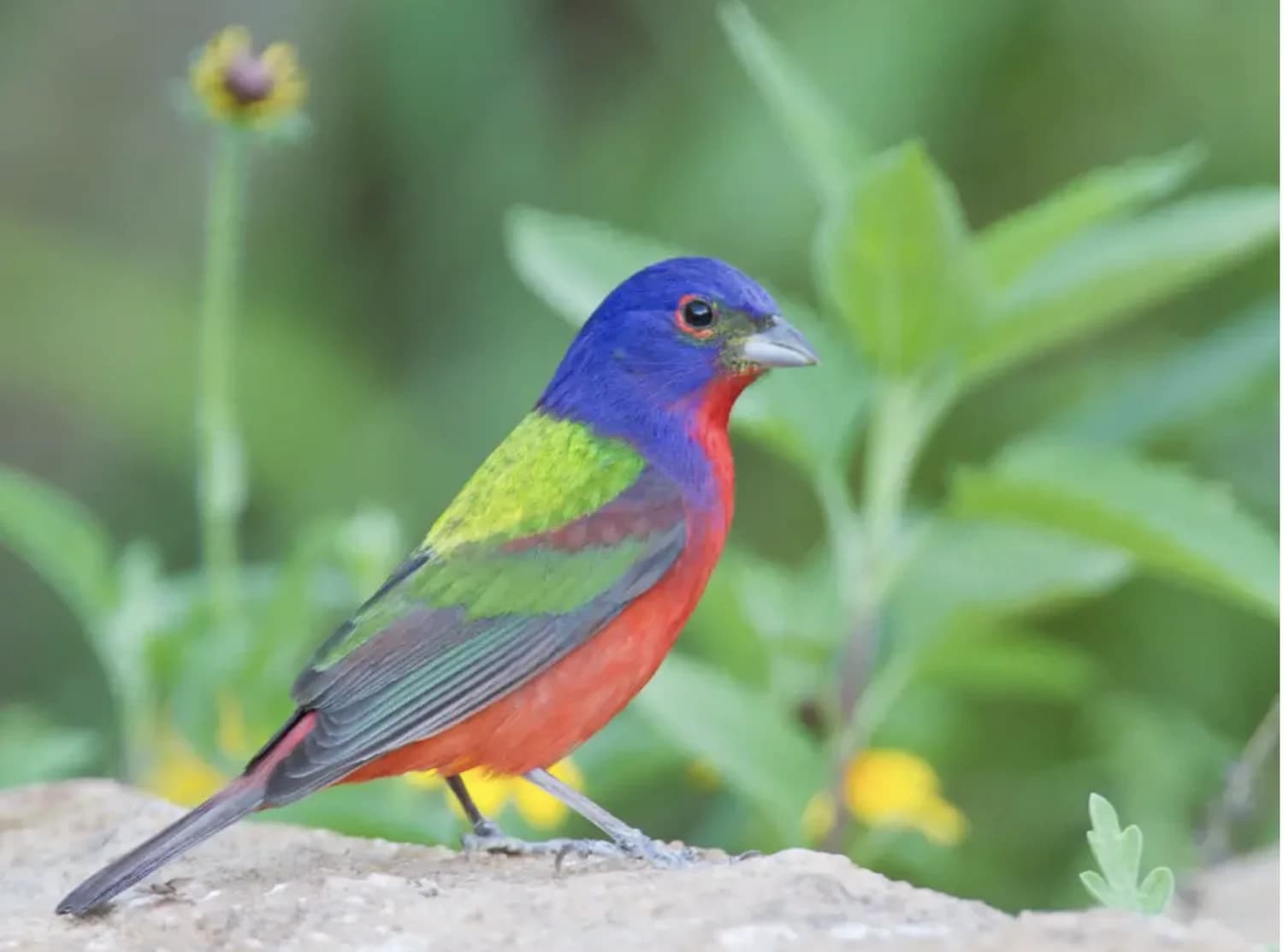
If you're lucky you'll spot a Painted Bunting. One of the most startlingly beautiful birds in North America, it’s often secretive, staying in low dense cover, shrubby habitats, and woodland edges.
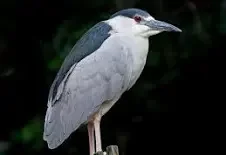
Black-crowned Night-Heron
Lou Neff Point — where Barton Creek meets Lady Bird Lake — is one of the better spots to scan for waterbirds moving through. While you're there, watch the water's edge for the Black-crowned Night-Heron, a stocky, patient hunter that roosts in the willows and hackberries along the shoreline, most active at dawn and dusk.
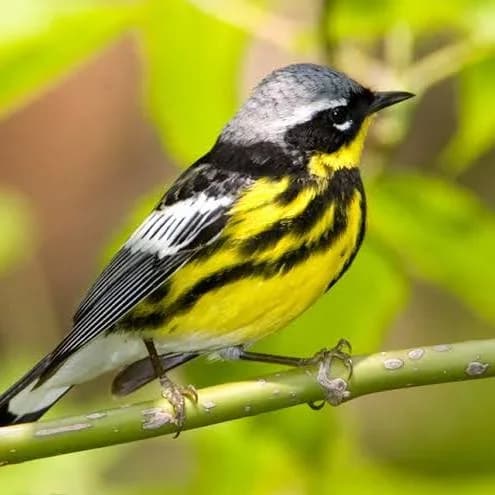
The Magnolia Warbler
Look for Magnolia Warblers in the mid-levels of trees, shrubby edges, and wooded areas, often foraging actively near the ends of branches. They frequent dense, leafy areas and can be found in mixed-species flocks with chickadees or other warblers.
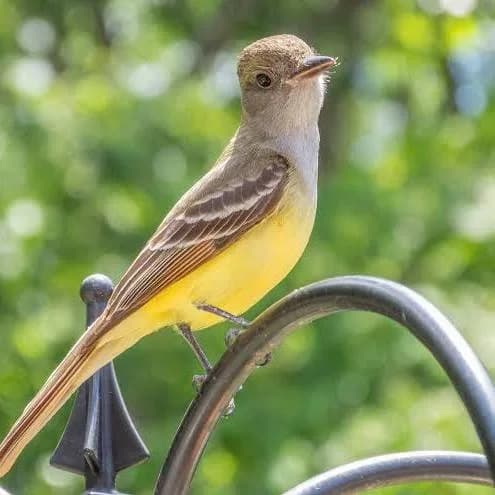
Great-crested Flycatcher
Keep an eye overhead at the park's open fields and edges for the Great-crested Flycatcher which arrives in May and hunts from exposed perches and tree tops scanning for insects to snack on.
These are just a few of the thousands of species you might see in Zilker Park this May. If you need help identifying what you are seeing, the Merlin app from Cornell Lab of Ornithology is free and will help you identify birds by their call and Cornell’s Migration Tracker will help you know who is visiting each day.
What You Can Do to Help
Migration is dangerous. Birds navigate by stars and natural light, and artificial light at night disorients them, causing collisions with buildings and windows that kill an estimated one billion birds annually in the United States alone. The single most effective thing Austinites can do right now is turn off unnecessary lights at night — especially during peak migration windows in April and May.
Our best advice: Visit Zilker Park this month—bring your binoculars and your Merlin app. Look up. Enjoy the show!