

Caring for Zilker's ecology, access, and community
Zilker 351 supports the long-term health of the park's natural systems and public spaces — protecting water, canopy, and habitat for the generations of Austinites who come next.
A park this loved deserves care that lasts.
Many of Austin's favorite outdoor places, programs, and special events live within the 351 acres of Zilker Metropolitan Park. As Austin grows, thoughtful stewardship helps future generations enjoy an ecologically healthy, welcoming, and resilient park.
We focus on the slow, durable work beneath the fun — water quality, tree canopy, native plants, and the community care that keeps the park open to everyone.
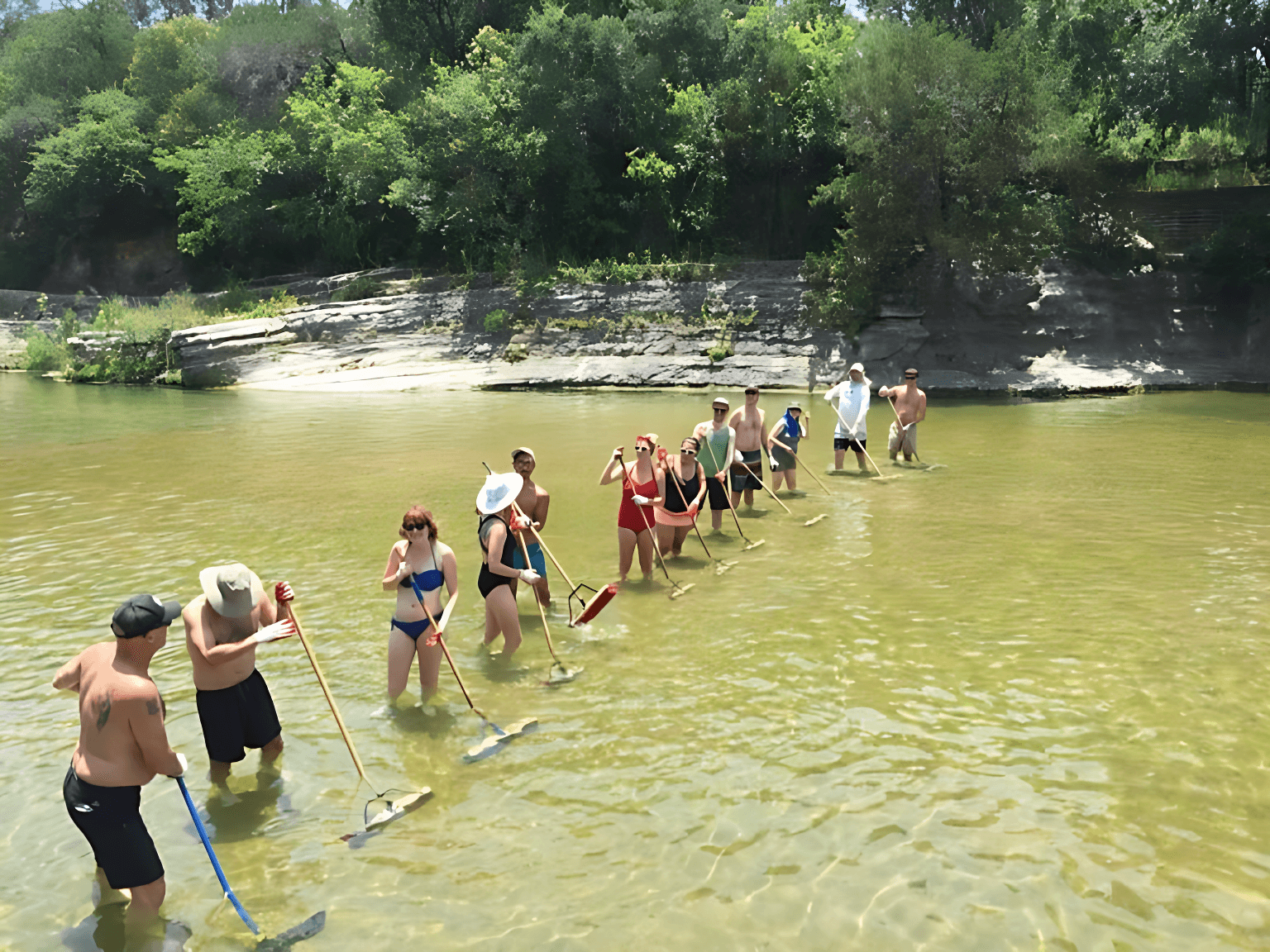
native plants and animals call Zilker home
Where the work is happening now
Real stewardship is local. This is the active ecological restoration work Zilker 351 is supporting now.
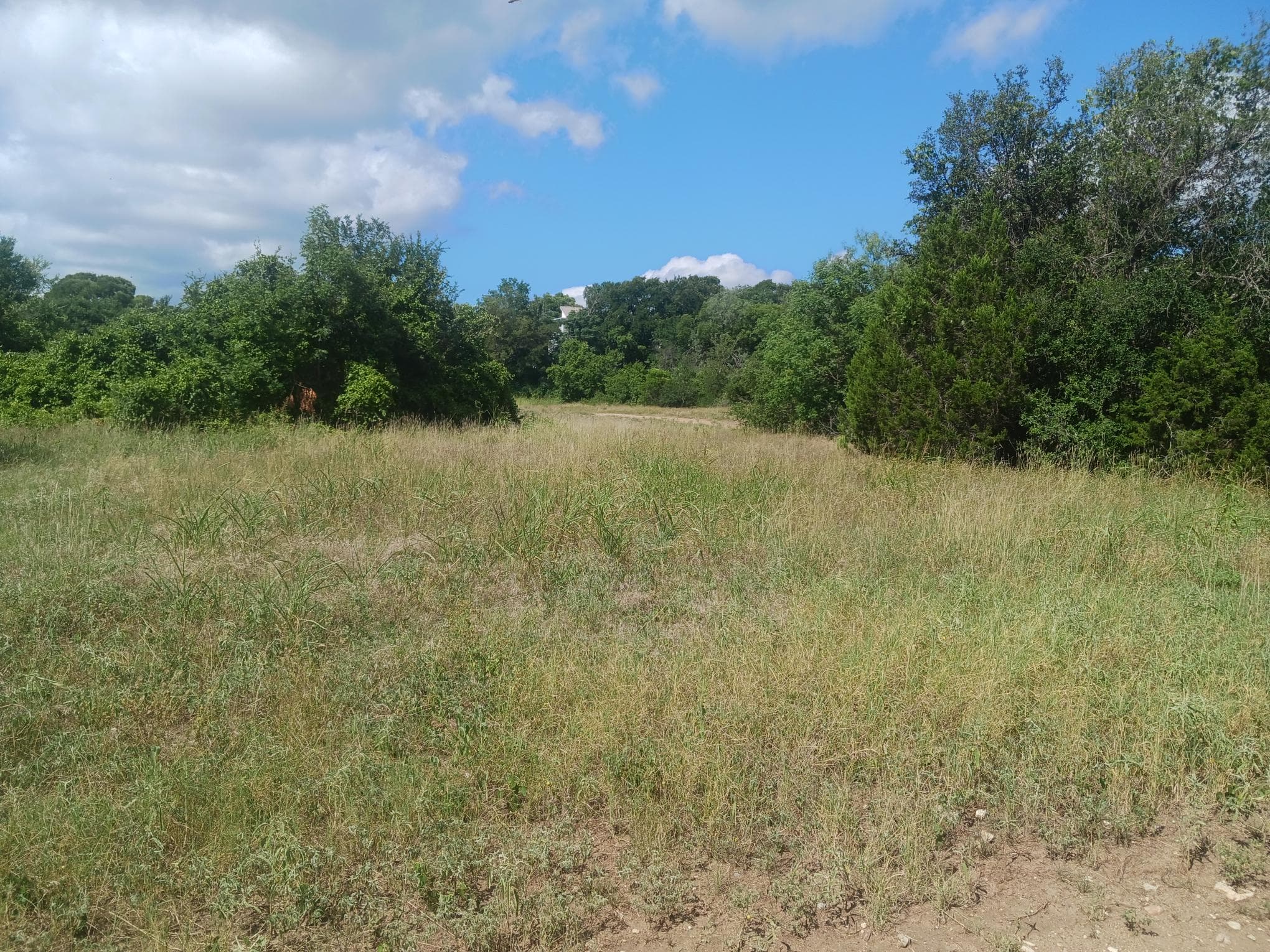
Wildflower Meadow & Monarch Habitat Restoration
- Location
- 51,000 square feet across two sites in Zilker Park, between Barton Hills Drive and the Billie Eilish Grove
- Status
- Seeding and community events through fall 2026, with maintenance continuing into 2027
Two historically designated wildflower meadows have lost most of their native plant diversity to routine mowing. Restoring deep-rooted native wildflowers and grasses here adds a first layer of stormwater filtration between Barton Hills Drive and the woodland groves near Barton Springs, while rebuilding habitat for monarch butterflies, native bees, and other pollinators moving through the Central Flyway.
- Native wildflower and grass meadow across 51,000 square feet
- Monarch waystation habitat within the Central Flyway
- Volunteer stewardship and pollinator education through fall 2026
Restoration work now taking root
Completed project areas continue to be monitored and cared for as native canopy and stormwater features establish.
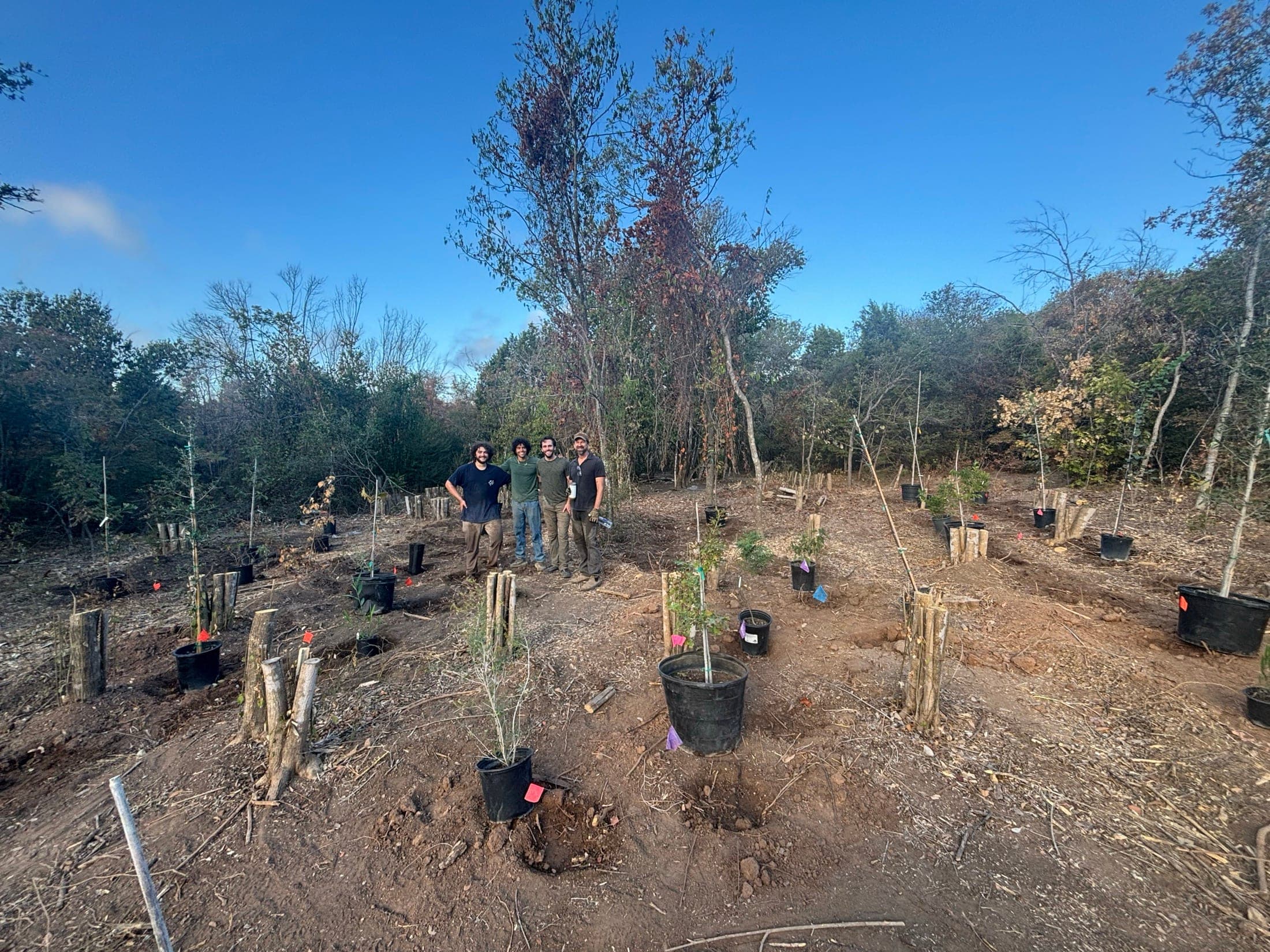
Columbus Drive
A 6,000-square-foot area near the Violet Crown Trail trailhead has been restored from invasive ligustrum into native woodland, with 140 canopy and understory trees planted in motte clusters, berms and swales slowing runoff, and a 90% tree survival rate.
Read the Columbus Drive story→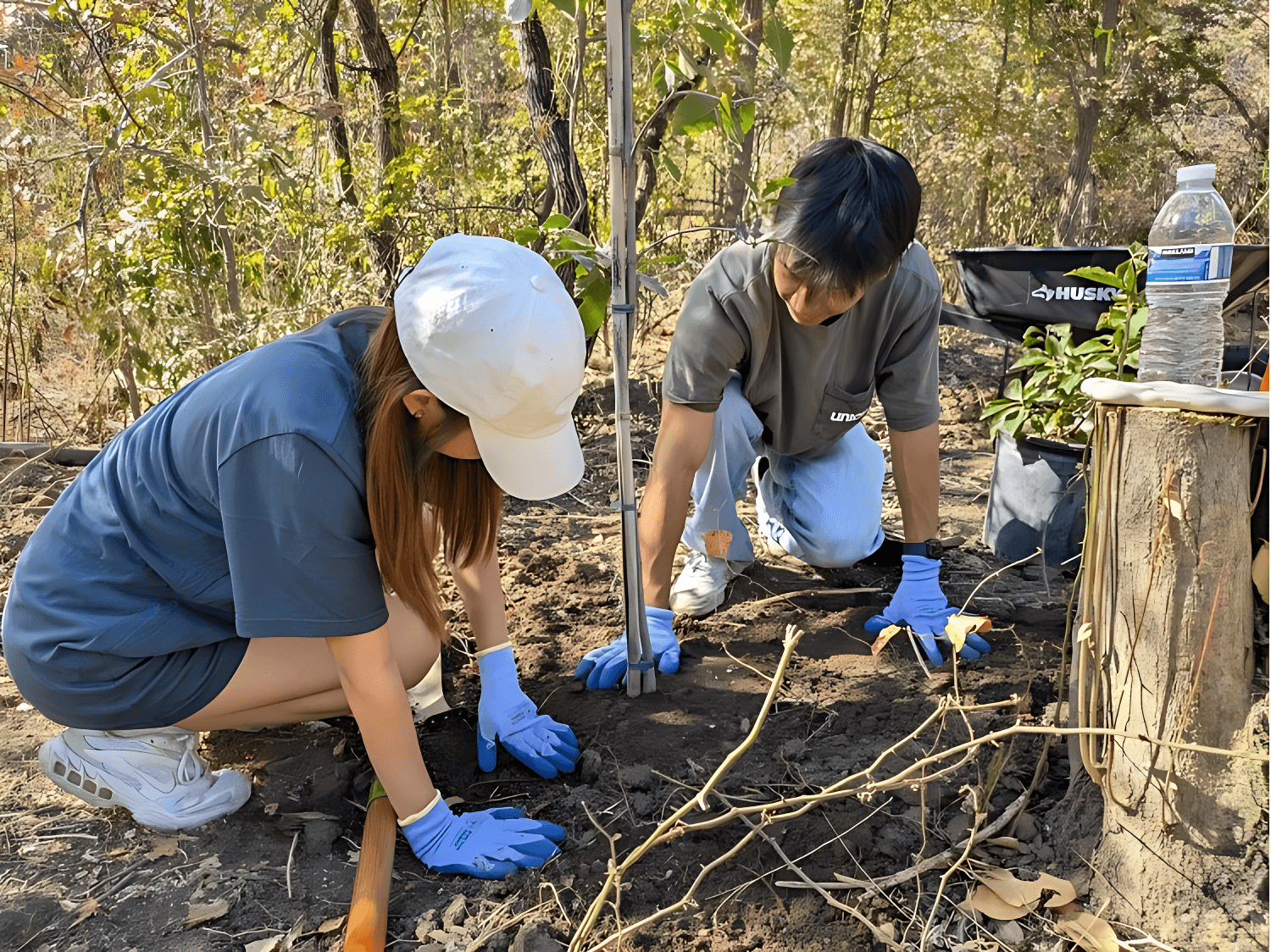
Pecan Grove Picnic Area
Zilker 351 identified runoff from a nearby parking lot flowing toward Barton Creek and brought it to APR's attention. APR agreed with the assessment and completed tree canopy replenishment and drainage improvements to capture and slow rainwater.
Ask about this work→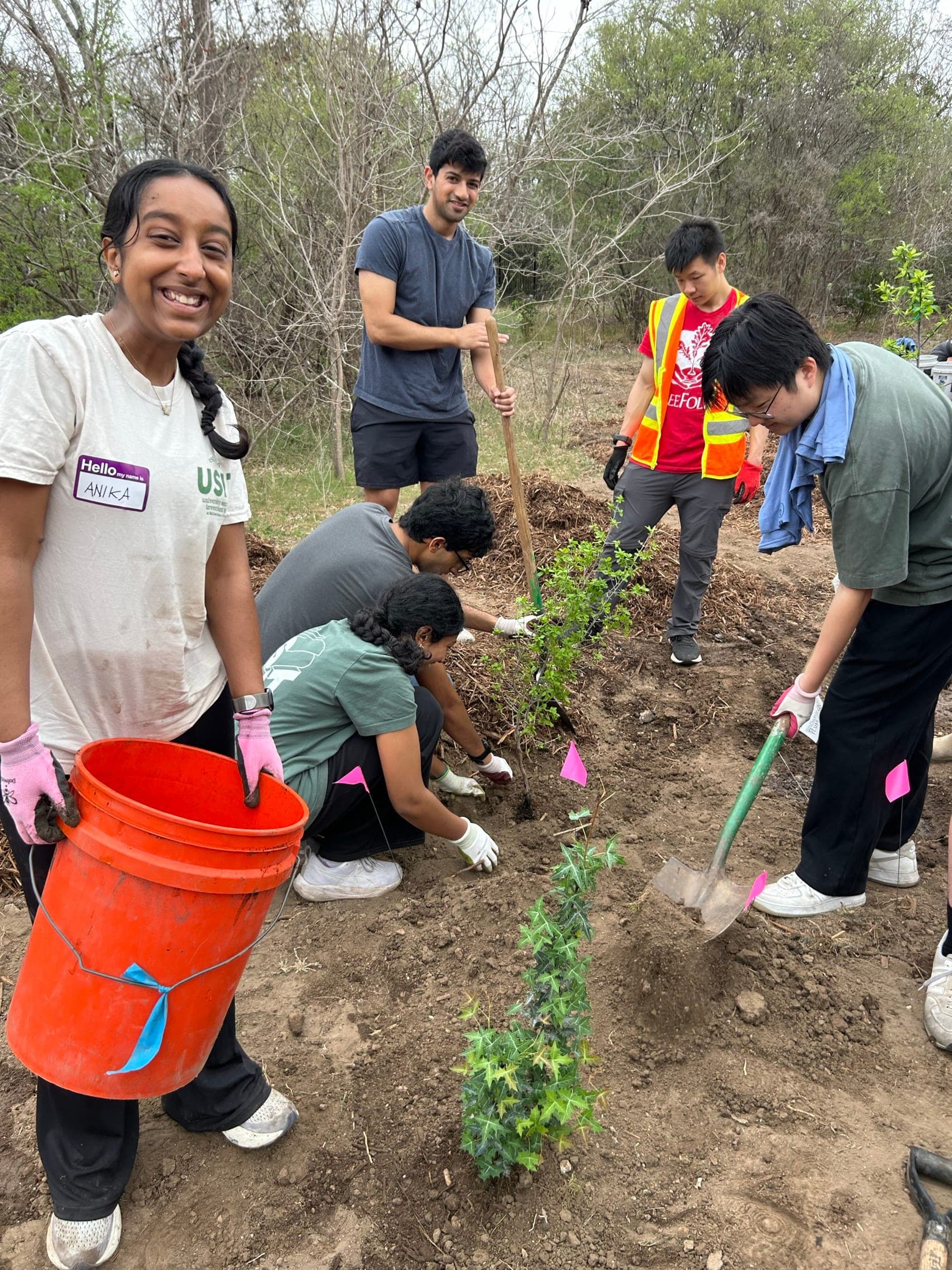
South Woodland / Billie Eilish Grove
Along a walking trail south of Barton Springs, this 6,000-square-foot woodland restoration established 140 native trees, added berms and vegetated swales to filter runoff from Azie Morton Boulevard, and carries the Billie Eilish Grove name in recognition of a REVERB-facilitated gift.
Read the Billie Eilish Grove story→A rare ecological crossroads
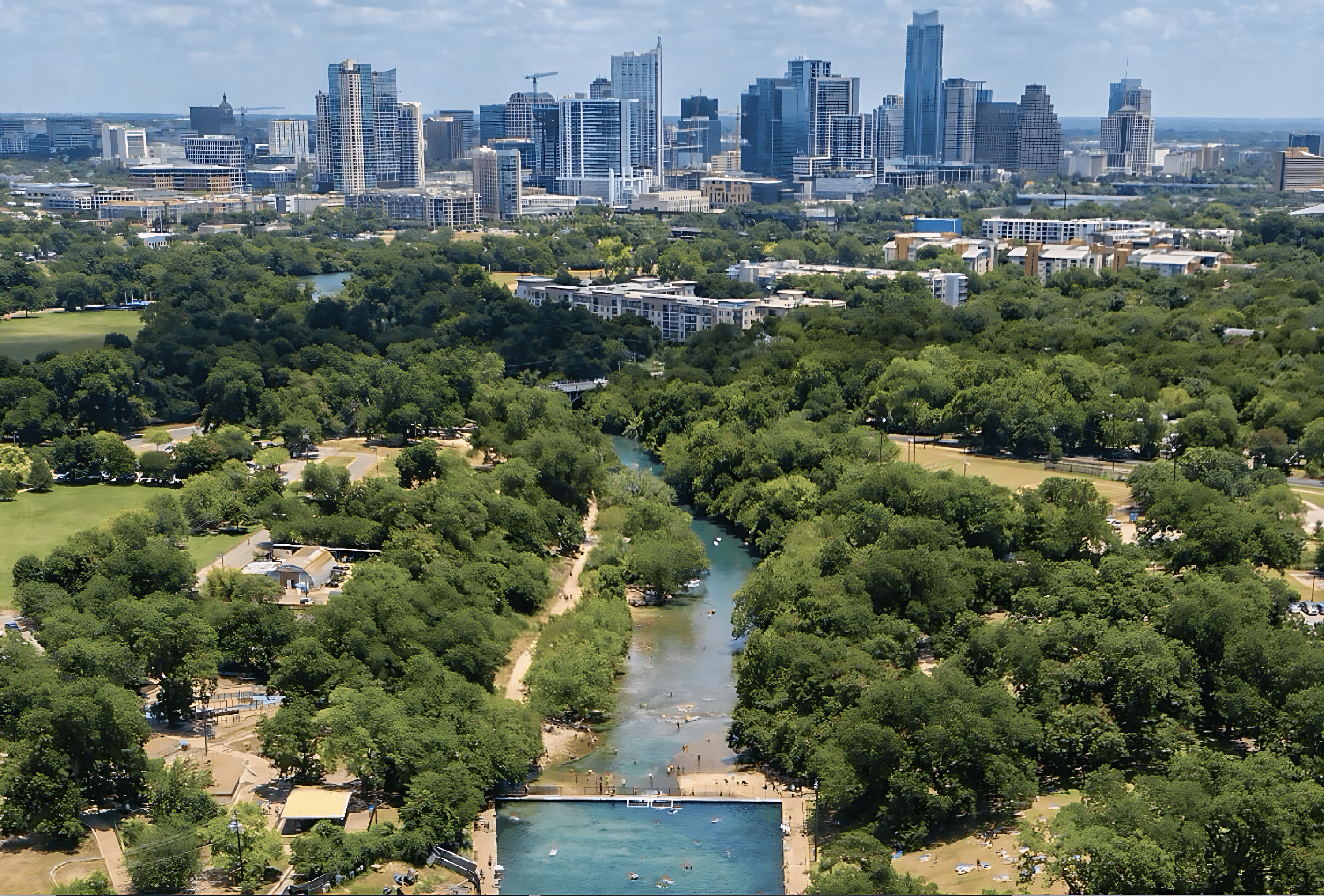
Located at the juncture of Barton Creek and Lady Bird Lake, Zilker Park is rich in ecological features — and the plant and animal life they support.
A juncture of water
Eanes Creek, Barton Creek, and Barton Springs flow through the park and into Lady Bird Lake — placing Zilker at a living crossroads of Central Texas waterways.
Atop the Edwards Aquifer
The park sits over the Edwards Aquifer and within the Colorado River corridor, where what happens on the surface shapes the water below.
Rich habitat
These features support a wide range of plant and animal life — and a planning resource exists to help protect it: the Zilker Park Natural Resource Inventory & Management Guidelines, commissioned in 2021 by Barton Springs Conservancy (Siglo Group).
Stewardship here is inseparable from water.
Native plants, healthy soils, tree canopy, and restored riparian areas help slow rainfall, reduce runoff, stabilize soil, filter pollution, and support groundwater infiltration.
These efforts matter most near Barton Creek, Lady Bird Lake, and Barton Springs, where stormwater and erosion can affect habitat, water quality, and the visitor experience.
Growing resilience, one motte at a time.
Tree canopy, invasive-species removal, native plantings, berms, swales, and tree mottes are all part of Zilker 351's ecological stewardship work. The Woodland Tree Canopy Project — our first ecological improvement initiative — adds canopy mottes in places chosen for ecological benefit without disrupting how the park is already used.
- ✓Tree-canopy mottes
- ✓Native plantings
- ✓Invasive-species removal
- ✓Berms, swales & filtration
Stewardship is a community effort.
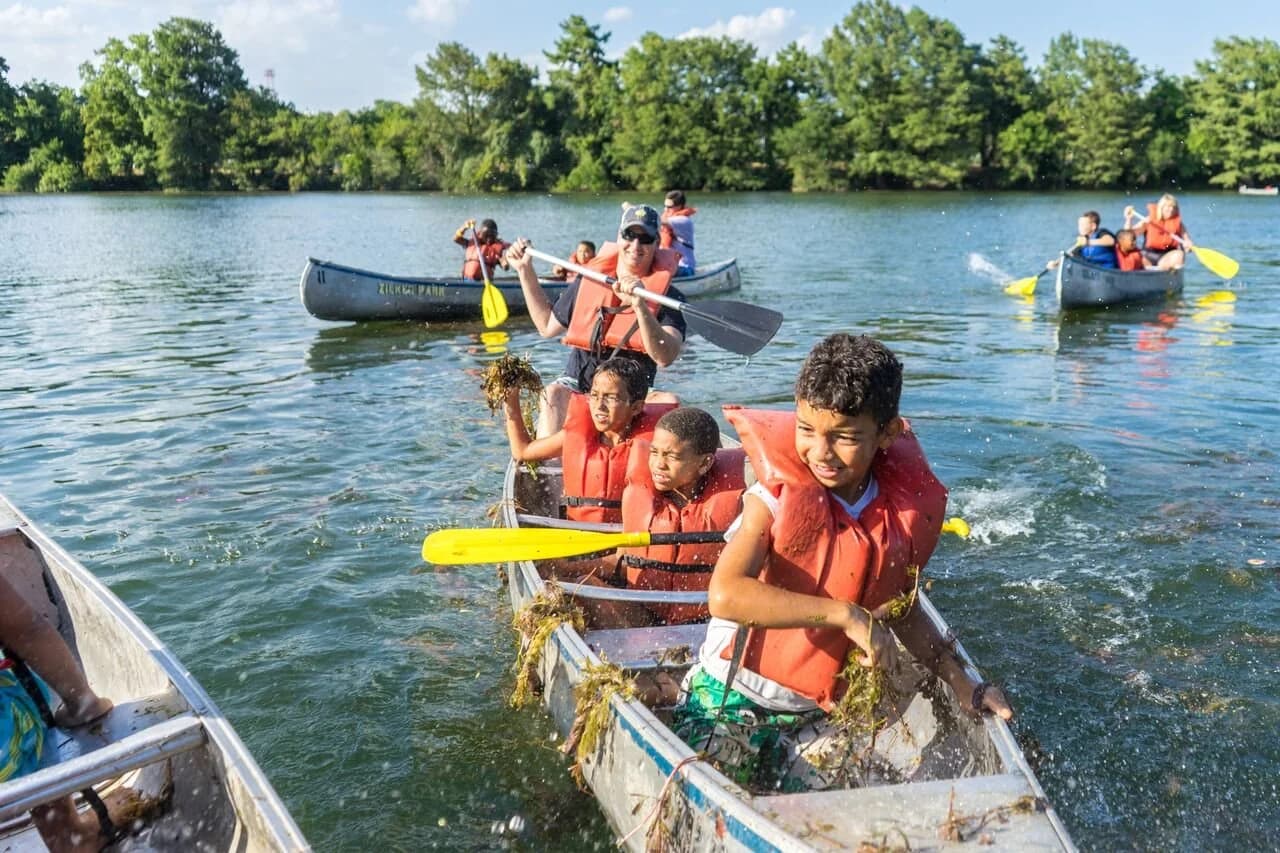
Tree plantings, restoration workdays, cleanups, and other hands-on events connect Austinites directly to the park's care. Each opportunity lists its host, date, location, and registration link — and notes whether it's hosted by Zilker 351 or shared from a partner organization.
A place worth protecting
Spring-fed water, riparian edges, native canopy, and the people who care for it — a few views of the Zilker ecology behind the work.
In 2021, the Barton Springs Conservancy commissioned the Siglo Group's Zilker Park Natural Resource Inventory & Management Guidelines as a planning resource for long-term ecological health. That inventory catalogs the park's natural resources and offers management strategies to address increased park visitation.
Questions, answered
What stewardship means, who manages the park, and how you can help.
For Zilker 351, stewardship means supporting the long-term ecological health, public access, inclusive history, and community care of Zilker Metropolitan Park while recognizing that Austin Parks and Recreation (APR) manages and operates the park.
Help keep Zilker's ecology thriving
Your gift funds tree planting, native restoration, invasive removal, and water-quality care across the 351 acres Austin loves.