
Azie Morton and the Fight for Belonging in Zilker Park
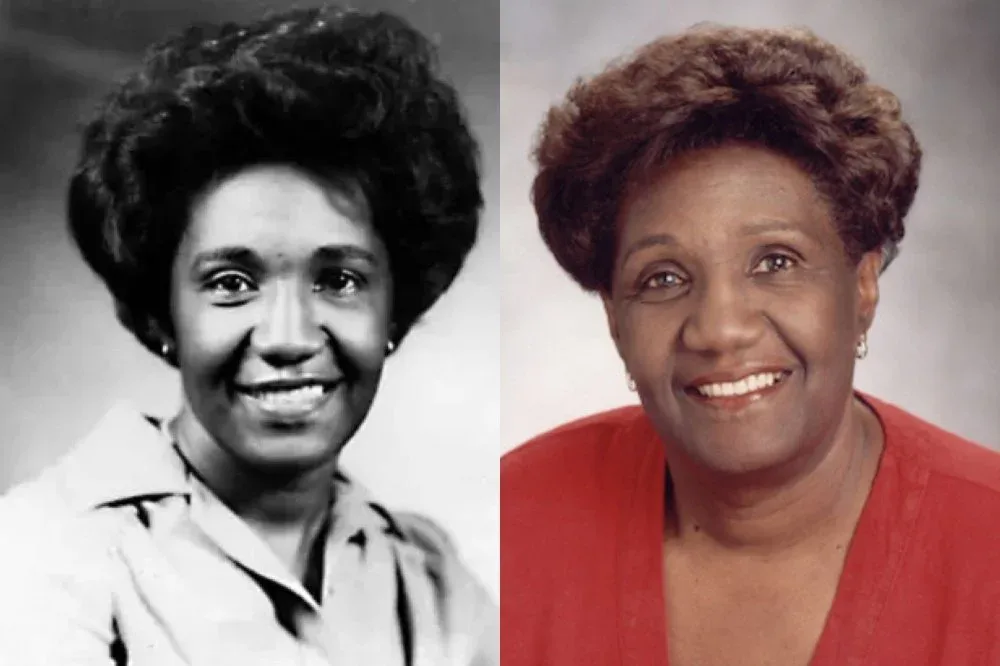
Zilker 351 Celebrates Black History Month: Azie Morton and the Fight for Belonging
In the middle of the Texas heat—where relief came in the form of cold, clear spring water—Barton Springs Pool stood for decades as a contradiction. It was one of the most beautiful public places in Austin, yet it was not public for everyone.
Azie Morton moved to Austin as a teenager because her hometown had no high school for Black students. She attended what is now Huston–Tillotson University and, while still a young woman, became part of a growing local civil rights movement that understood something essential: access to Barton Springs was about dignity as much as recreation. So, she went swimming. Entering Barton Springs Pool in defiance of segregation was a direct challenge to the idea that this iconic landscape was reserved for some and not others.
Importantly, the integration of Barton Springs was not the work of one person. It was a collective effort sustained over years in a series of events now known as “Swim-Ins”. Alongside Morton were community leaders and participants including Bertha Means, Willie Mae Kirk, Joan Means Khabele, Saundra Kirk, members of the Universalist Unitarian Church, students from Austin High School, and many others whose names history too often compresses into silence. Together, they showed up—again and again—until the city could no longer ignore them.
Their persistence paid off. In 1962, Barton Springs Pool was officially desegregated, one of the final public facilities in Austin to take that step. Even then, full inclusion did not arrive overnight. But the water, once a line of exclusion, became a shared inheritance.
Morton went on to have an impressive career in public service. She served on President John F. Kennedy's Committee on Equal Employment Opportunity, she was a special assistant to the chair of the Democratic National Committee, and she served as the Treasurer of the United States during the Carter administration. She remains the only African American to hold that office.
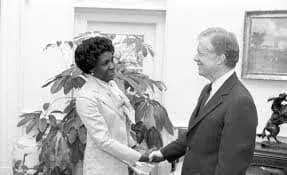
“She may not have intended to be an example to others—but became an example. Her life is a manual on how to succeed by trying. It is a certification of the rewards of hard work and competence.”
Today, Barton Springs is often described as Austin’s backyard, its front porch, its sanctuary. That language only holds if we remember the people who fought to make it true. Black History Month is an invitation to see Zilker Park not just as scenery, but as a civic space shaped by courage, persistence, and collective action.
The water is the same.The access was earned.
Morton’s participation in the swim-ins is documented in A Reflecting Pool, part of the Living Springs project, by Filmmaker and Historian, Karen Kocher, which preserves the human stories embedded in this landscape.